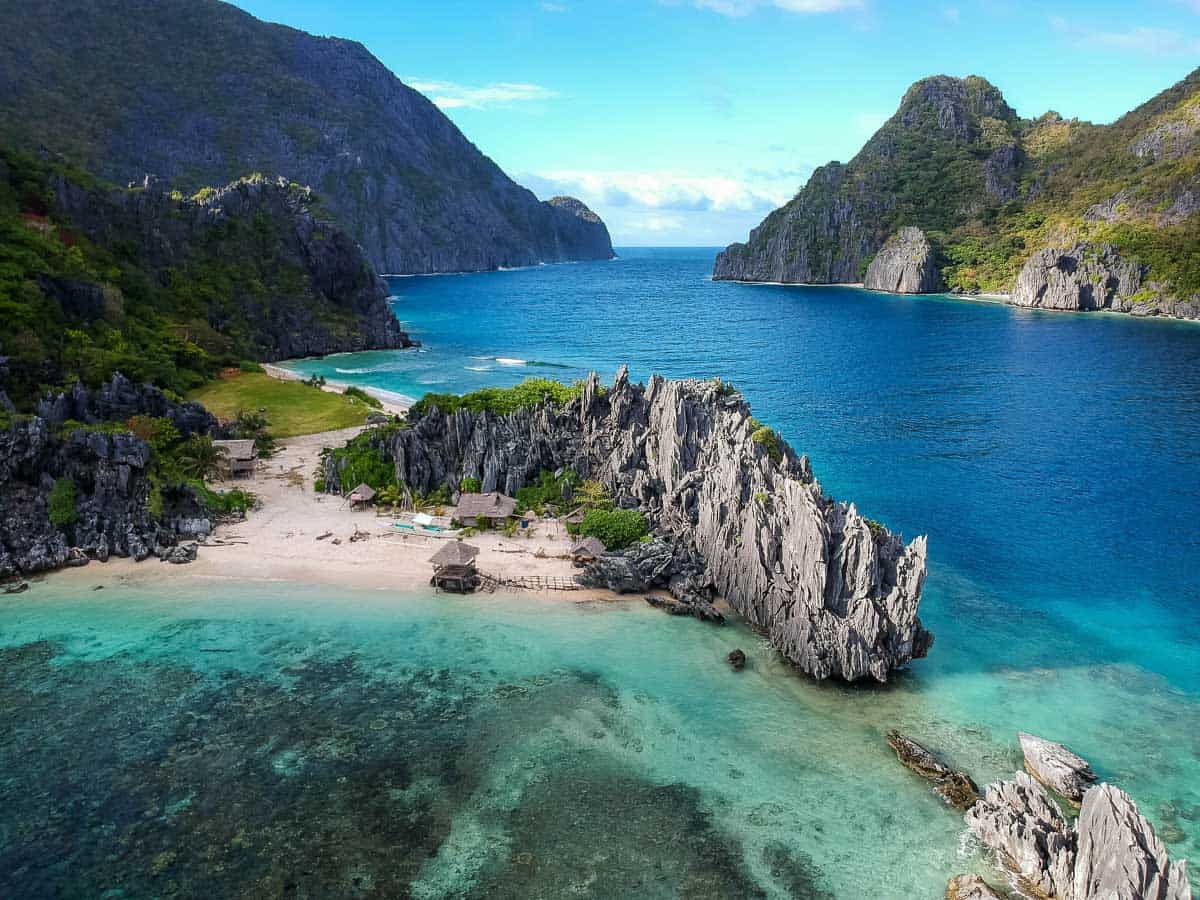
With more than 7,000 islands, the Philippines offers an enormous variety of family holidays—from historic cities and cool mountain towns to wildlife encounters, surf breaks and tropical beaches. The best destination depends on your family’s interests, the season and how much travelling you want to do between islands. This guide introduces 12 worthwhile places to help you build a practical itinerary without trying to squeeze too much into one trip.
Last updated: November 2026
12 of The Best Places to Visit in The Philippines
1. Manila
Many families pass through Manila on their way to the islands, but the capital is worth at least a day or two. Explore the walled district of Intramuros, including Fort Santiago, San Agustin Church and Manila Cathedral, then add one of the National Museum sites or Rizal Park if time allows. Manila is busy and spread out, so group nearby attractions together and allow extra time for traffic.
2. Palawan
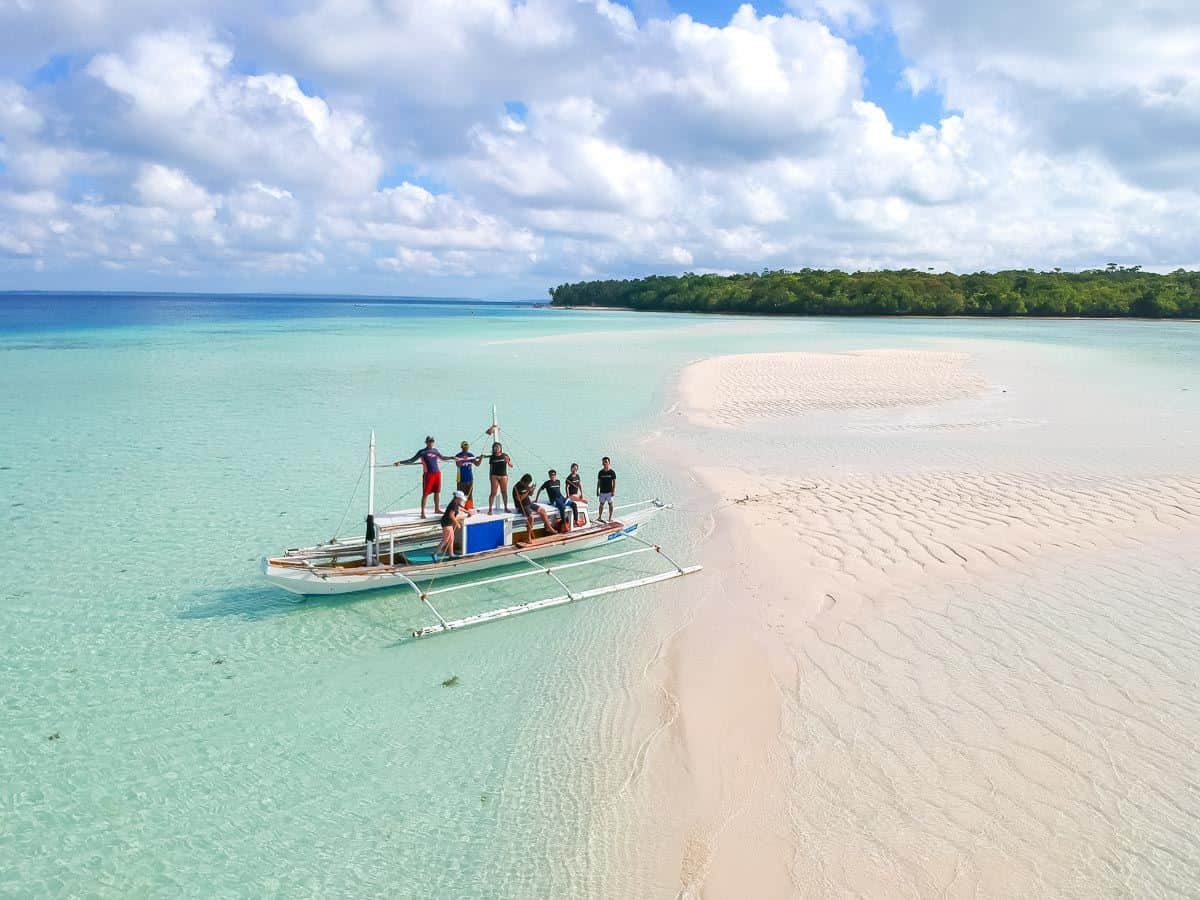
Palawan is a strong choice for families who want limestone scenery, clear water and island-hopping. El Nido is known for Bacuit Bay’s lagoons and boat tours, while Coron combines lakes, reefs and historic wreck diving. Puerto Princesa is the usual base for trips to the Puerto Princesa Underground River and Honda Bay. Distances within Palawan are significant, so choose one or two bases rather than trying to cover the whole province. Palawan is also included in many organised Philippines travel packages.
3. Puerto Galera
Puerto Galera, on the island of Mindoro, is best known for diving and snorkelling, with numerous reefs and dive sites close to shore. White Beach has the broadest mix of family-friendly accommodation, restaurants and water activities, while Sabang is the busier diving hub. Sea conditions vary by season, so confirm ferry and boat-trip arrangements shortly before travelling.
4. Sagada
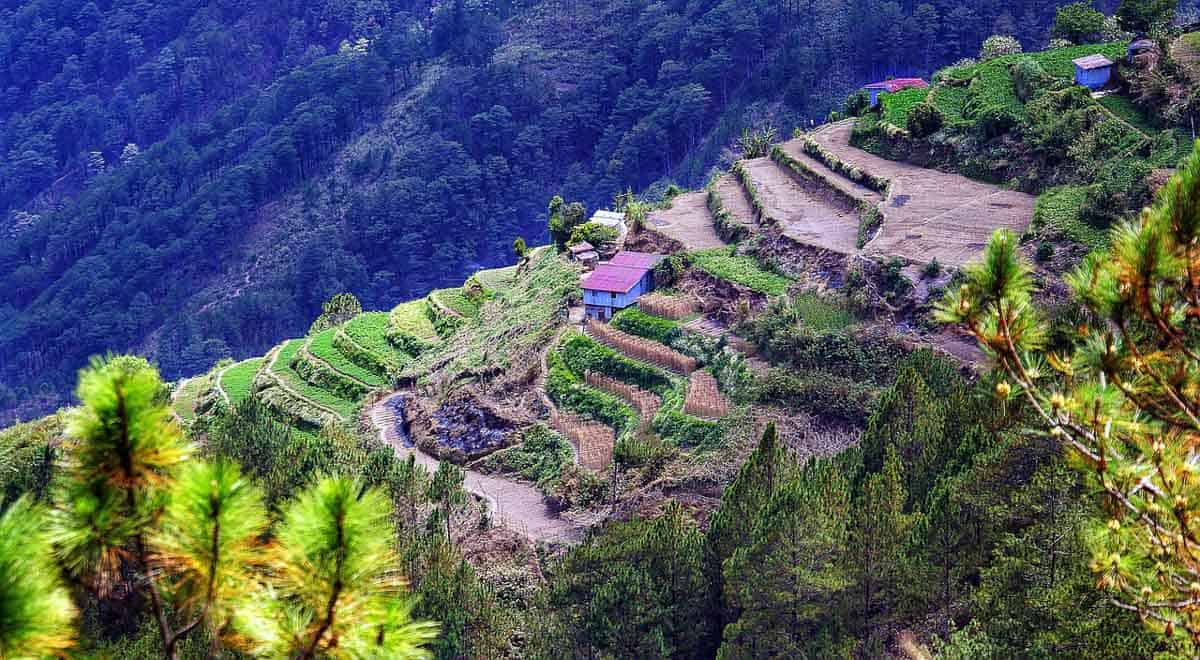
Sagada is a mountain town in northern Luzon—not an island—and offers a cooler alternative to a beach holiday. Families come for cave tours, waterfalls, viewpoints and the area’s Indigenous cultural heritage. Sumaguing Cave, Lake Danum and guided walks are popular, but some activities are physically demanding and unsuitable for younger children. Register locally and use an accredited guide where required; never enter caves independently.
5. Vigan
The historic city of Vigan is a UNESCO World Heritage Site and one of Asia’s best-preserved planned Spanish colonial towns. Its architecture blends Filipino, Chinese and European influences developed through its history as a trading centre. Walk along Calle Crisologo, explore the plazas and visit St Paul’s Metropolitan Cathedral, leaving time to try local specialities such as Vigan empanada and longganisa.
6. Tagaytay
Tagaytay is a popular escape from Manila thanks to its cooler climate and views across Taal Lake towards Taal Volcano. Enjoy the scenery from public viewpoints, parks, restaurants and accommodation along the ridge. Do not plan a crater visit: PHIVOLCS prohibits entry to Taal Volcano Island, including the Main Crater, and prohibits boating on Taal Lake because the volcano remains hazardous. Check the latest official bulletin before travelling, as alert levels and local restrictions can change.
7. Bohol
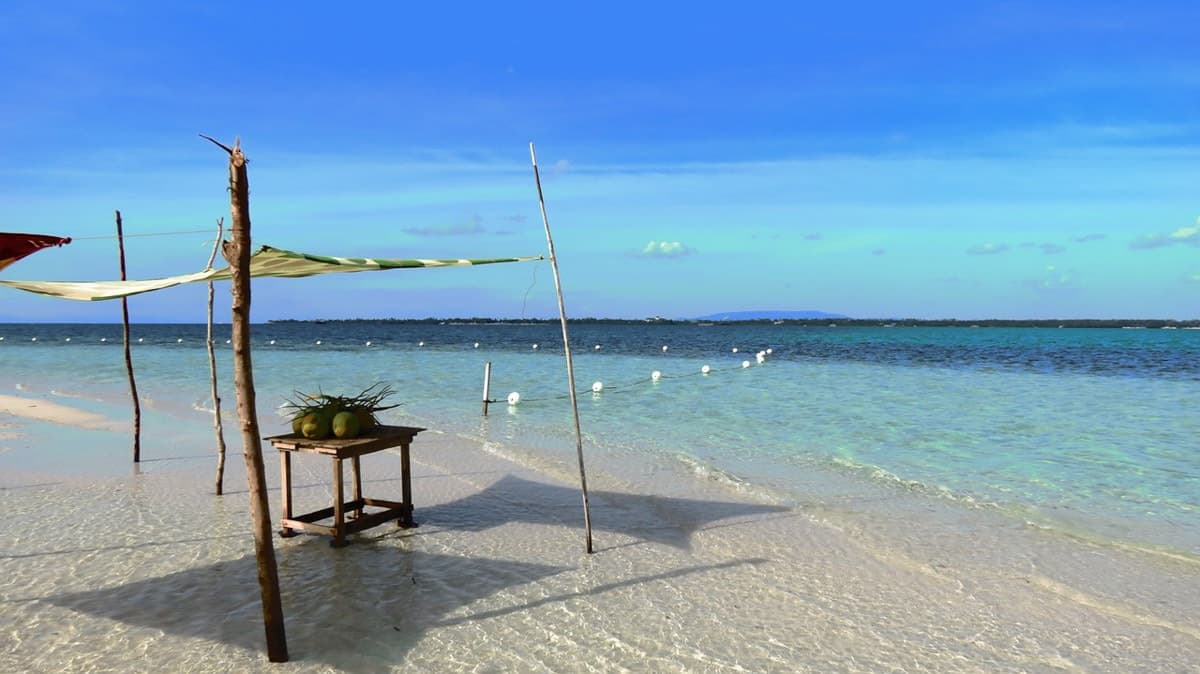
Bohol combines beaches, wildlife and an easy-to-recognise landscape, making it a good all-round family destination. There are plenty of things to do in Bohol, including snorkelling or diving around the protected waters of Balicasag Island. Away from the coast, visit the Chocolate Hills and observe tarsiers responsibly at the Philippine Tarsier Sanctuary in Corella. Keep quiet, never touch the animals and do not use flash photography. Panglao is the most convenient beach base for many families.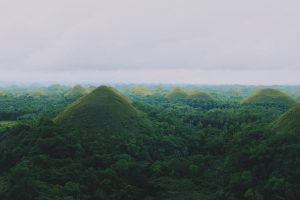
8. Cebu City
Cebu City is both a destination and a useful gateway to the wider Visayas. In the city, visit Magellan’s Cross, the Basilica Minore del Santo Niño and Fort San Pedro for an introduction to Cebu’s history. Mactan-Cebu International Airport is on neighbouring Mactan Island, and ferries and buses connect Cebu with many other islands and coastal towns. Allow for city traffic and check transfer times carefully before pairing a flight with a ferry.
Check out this 5 day Cebu itinerary or where to find the best Lechon in Cebu.
9. Siargao
Siargao is the Philippines’ best-known surf island, with Cloud 9 its signature break. Families who do not surf can still enjoy beginner lessons, the boardwalk, island-hopping to Naked, Daku and Guyam islands, mangrove trips and the Magpupungko rock pools. The rock pools are tide-dependent, while boat trips may be cancelled during rough weather. General Luna has the widest choice of places to stay and eat.
10. Camiguin
Compact Camiguin is known for volcanoes, waterfalls, springs and varied coastal scenery. Popular stops include White Island sandbar, Mantigue Island, Katibawasan Falls, the Sunken Cemetery viewpoint and both hot and cold springs. Conditions affect small-boat trips, and mountain walks are best arranged with a knowledgeable local guide. Camiguin suits families wanting a quieter island with nature-based activities rather than a busy resort scene.
11. Dumaguete
Dumaguete is a relaxed university city and a practical base for exploring Negros Oriental. Stroll along Rizal Boulevard, visit the Silliman University campus and use the city as a gateway to the Twin Lakes, Dauin’s reefs and Apo Island marine sanctuary. Apo Island trips are weather-dependent and conservation rules apply, so book with a responsible operator and confirm arrangements locally.
12. Siquijor
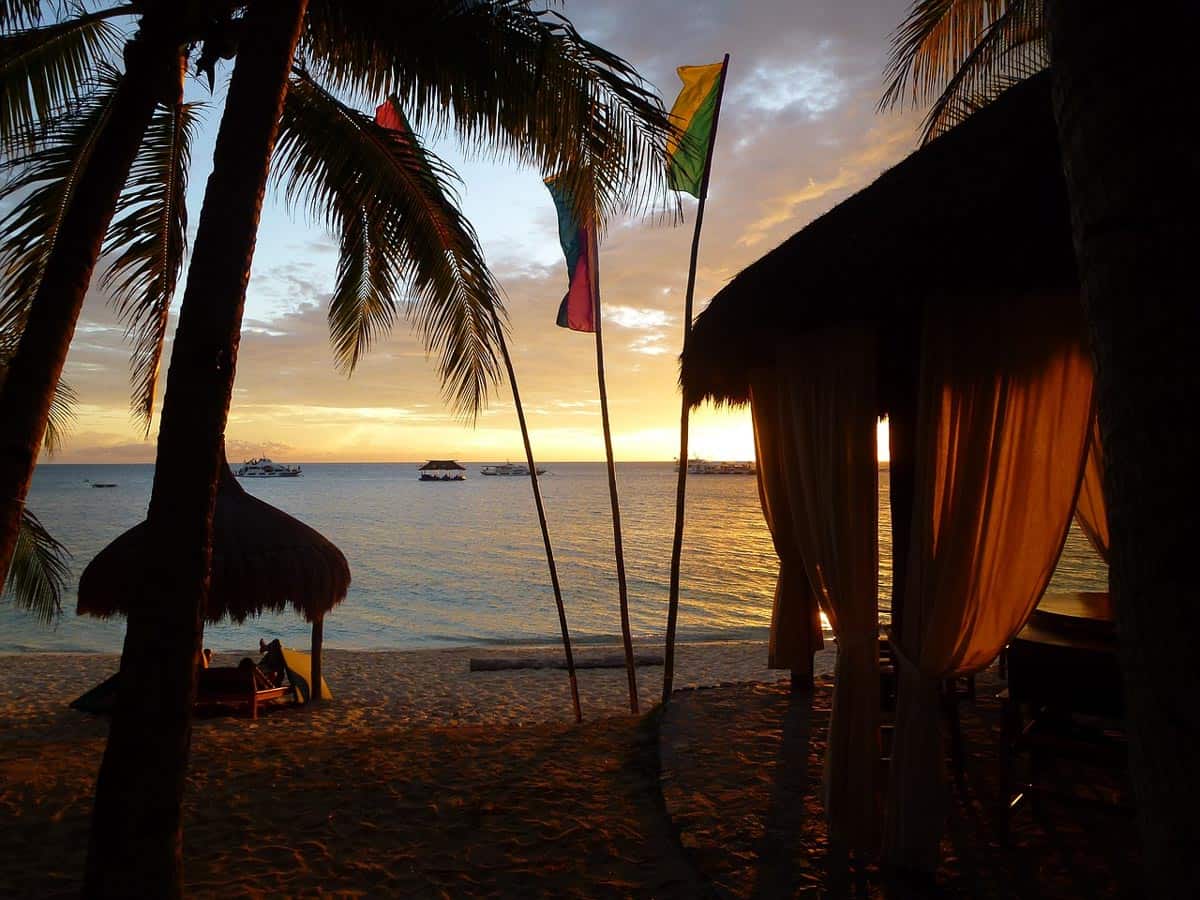
Siquijor combines quiet beaches, waterfalls and a distinctive tradition of folk healing and island folklore. Visit Cambugahay Falls, Paliton Beach and the Old Enchanted Balete Tree, or arrange a guided cave experience if it suits your family’s ages and fitness. Most visitors arrive by ferry, so check the latest timetable and sea conditions before travelling. Take care on scooters and use an appropriately licensed, insured driver or vehicle.
Heading to the Philippines, here are some other great articles to help your planning: