Updated: 11 November 2026
Thailand has hundreds of islands, but they do not all share the same weather, transport links or atmosphere. This guide compares the best Thai islands for families and explains which islands combine naturally in one trip.
I have visited several of Thailand’s better-known islands, while some of the original recommendations in this guide were contributed by experienced travel writers. Their first-hand perspectives and attribution have been retained, and every destination has now been checked against current tourism and national-park information.
Boat routes, marine-park access and seasonal closures change. Always confirm the current operator timetable and park notice before locking in non-refundable accommodation.
This post may contain compensated links. Please see my disclaimer here. Join our Thrifty Family Travel Facebook Group for family travel discussion.
Planning a Thailand island-hopping trip
Thailand’s islands fall into two broad weather systems. The Andaman coast—Phuket, Phi Phi, Koh Lanta, Koh Ngai and Tarutao—is generally at its calmest from around November to April. The lower Gulf islands—Koh Samui, Koh Phangan and Koh Tao—often have their wettest period later in the year. The eastern islands around Trat and Rayong have another pattern again.
Do not plan an itinerary that jumps between distant coasts every few days. Choose one cluster, allow a buffer before an international flight and expect boat cancellations when conditions are unsafe.
Eastern Thailand islands
Koh Samet
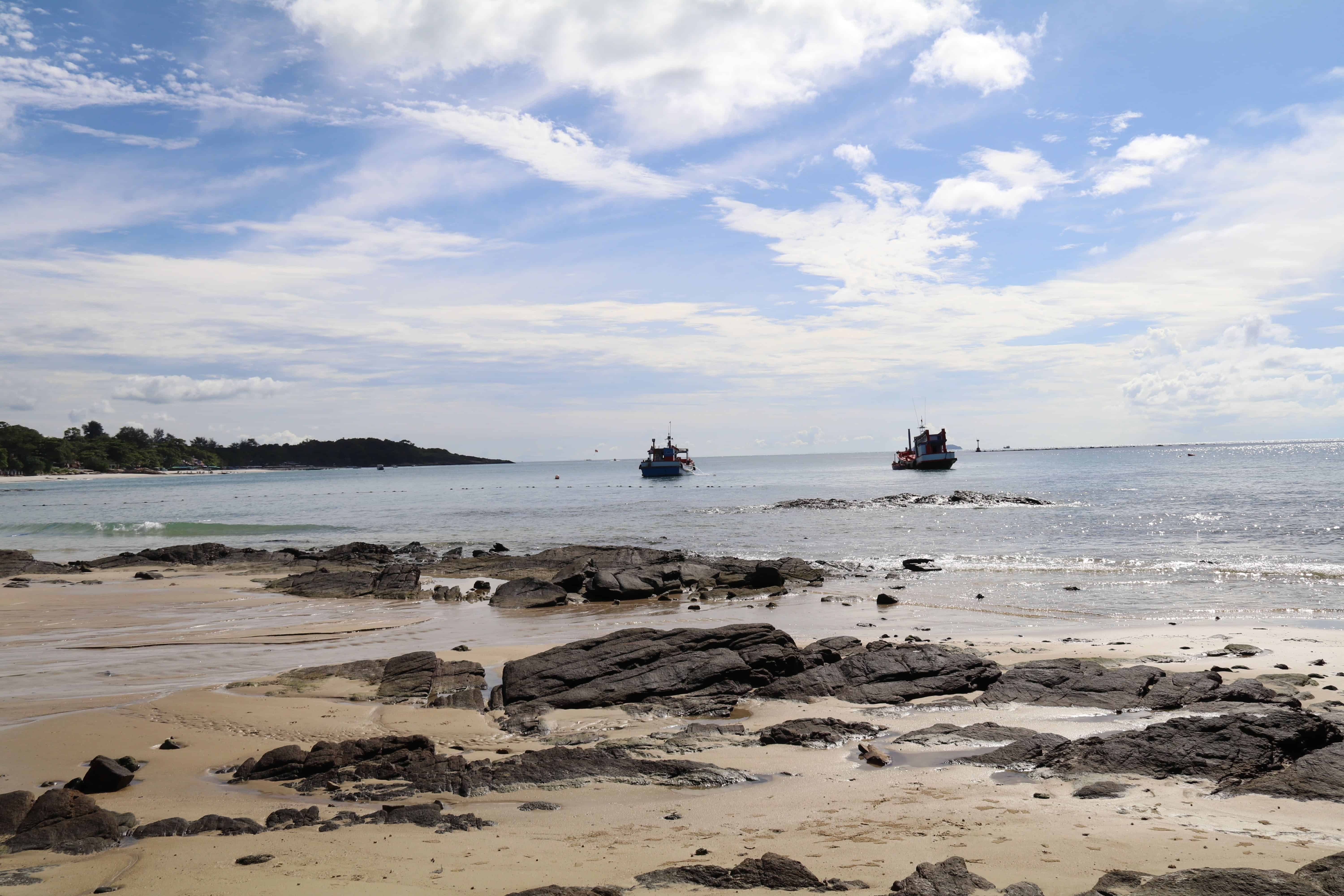
Koh Samet remains one of the easiest islands to combine with Bangkok. Ferries and speedboats leave from the Ban Phe area in Rayong, and most of the island lies within Khao Laem Ya–Mu Ko Samet National Park.
We stayed around Ao Phai and found its soft sand and comparatively calm water useful with children. Hat Sai Kaew is livelier, while beaches farther south become quieter. Weekends and Thai holidays are much busier, so book ahead or visit midweek.
Best for: a short beach break from Bangkok.
Best season: typically October to April, although services operate year-round.
Watch for: national-park fees, busy weekends and speedboat safety.
Koh Chang
Koh Chang is the largest and most developed island in the Trat cluster. It offers beaches, waterfalls, snorkelling trips and enough accommodation choice for different budgets. The mountainous roads are steep and winding, so families should choose their base carefully rather than relying on daily cross-island travel.
Best for: families wanting a substantial island with services and activities.
Best season: generally November to April.
Watch for: long road transfers from Bangkok and hazardous scooter travel.
Original Koh Chang contribution: Claudia from My Adventures Across the World.
Koh Wai
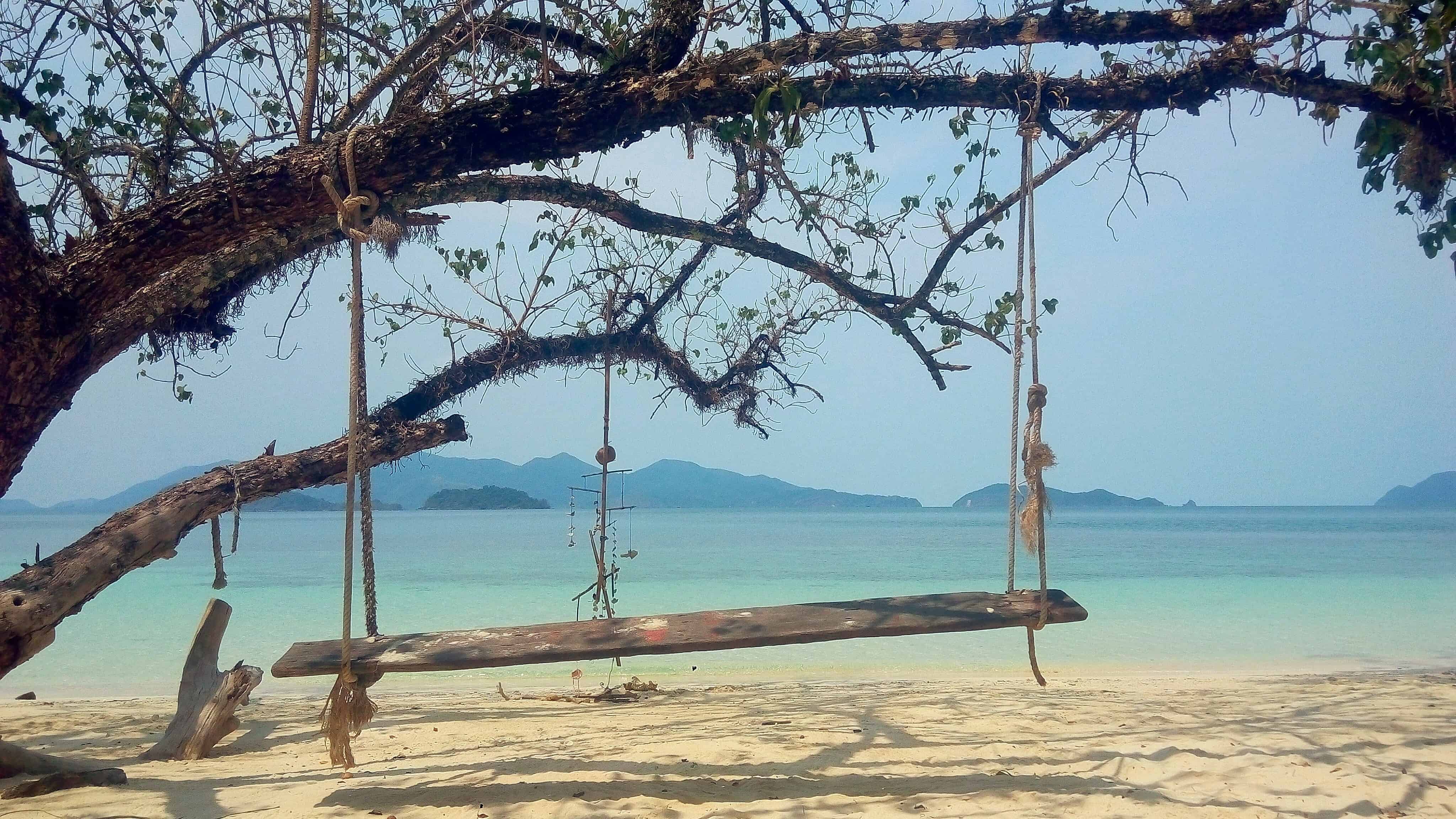
Koh Wai is a small, lightly developed island south of Koh Chang, reached by seasonal boat. Its appeal is simple beachfront accommodation, clear water and snorkelling rather than shopping or nightlife. Electricity, internet and payment facilities can be limited, and many services reduce or stop during the monsoon.
Best for: a quiet two- or three-night escape.
Watch for: seasonal boats, limited medical services and basic infrastructure.
Koh Mak

Koh Mak remains one of Thailand’s strongest low-key island choices. It is smaller and flatter than Koh Chang and has been recognised for community-led, lower-carbon tourism. Families can cycle, kayak, visit beaches and take boat trips to nearby islands.
Best for: relaxed families who prefer bicycles and beaches to large attractions.
Best season: generally November to April.
Watch for: reduced transport and rougher seas outside the dry season.
Original Koh Mak contribution: Mon from Honeymoon Backpackers.
Koh Kood
Koh Kood is farther south and less developed than Koh Chang, with waterfalls, forest and beautiful beaches. It suits families happy to spend most of their time at the resort or exploring by arranged transport. There is no airport and boat schedules are seasonal.
Best for: a peaceful resort-based holiday.
Watch for: longer transfers, limited evening transport and fewer budget choices in prime locations.
Gulf of Thailand islands
Koh Samui

Koh Samui is the easiest Gulf island for families who want broad accommodation choice, hospitals, an airport, supermarkets and plenty of activities. Chaweng is the busiest base, Bophut combines the beach with Fisherman’s Village, and quieter northern and southern areas suit resort-focused stays.
Ang Thong Marine National Park is a popular boat trip, but access is seasonal and weather-dependent.
Best for: first-time family visitors and shorter holidays.
Watch for: expensive flights at peak times and traffic around the busy beaches.
Original Koh Samui contribution: Marianne from Mum on the Move.
Koh Phangan
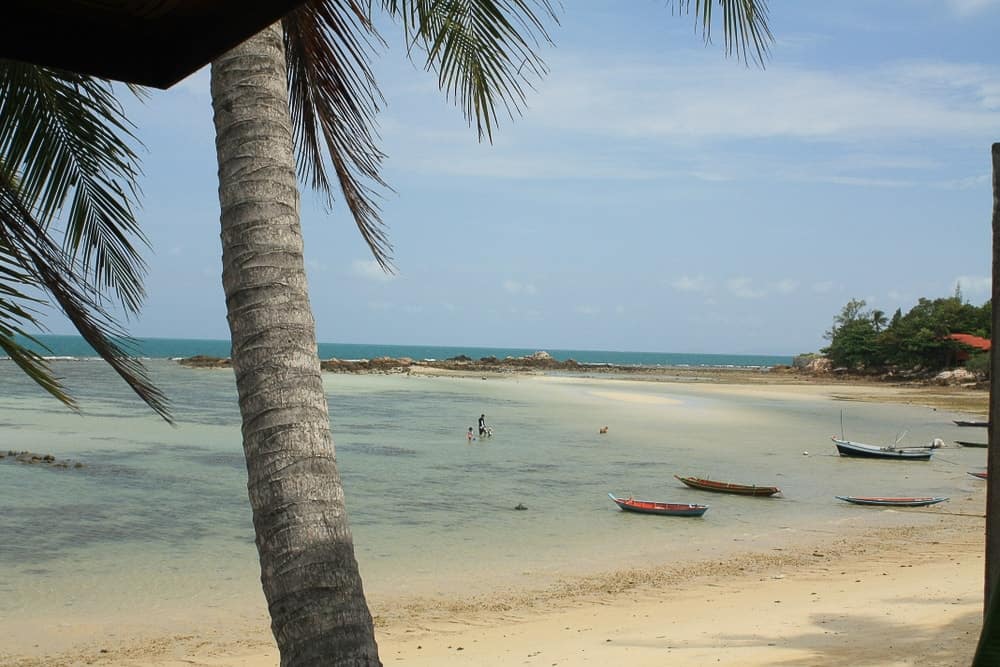
Koh Phangan is much more than its Full Moon Party. Families usually choose beaches such as Thong Nai Pan, Haad Salad or the quieter north and west rather than Haad Rin during party periods. The island has waterfalls, viewpoints, snorkelling and yoga, but transport between beaches can be slow.
Best for: families wanting a less developed island than Samui without giving up restaurants and accommodation choice.
Watch for: Full Moon Party dates, steep roads and taxi costs.
Original Koh Phangan contribution: Dawn from 5 Lost Together.
Koh Tao
Koh Tao remains one of Thailand’s best-known diving islands. Families can snorkel, take a boat around the island, visit bays and arrange age-appropriate dive training. Sairee has the greatest choice of restaurants, while quieter bays are better for a relaxed stay.
Best for: families with older children interested in snorkelling or diving.
Watch for: ferry conditions and choosing a reputable, properly certified dive operator.
Andaman islands
Phuket
Phuket is Thailand’s most developed island and the easiest Andaman base for families. It has an international airport, hospitals, beaches, markets, cultural sights and a huge range of accommodation. The west-coast beaches differ considerably, so choose the area before choosing the hotel.
We enjoyed Phuket Old Town and family attractions as well as the beach. Read our fully updated guide to the best things to do in Phuket with kids.
Best for: first-time visitors, mixed-age families and easy flight connections.
Watch for: traffic, long transfers across the island and strong wet-season surf.
Original Phuket contribution: Emma from Wanderlust and Wet Wipes.
Phi Phi Islands
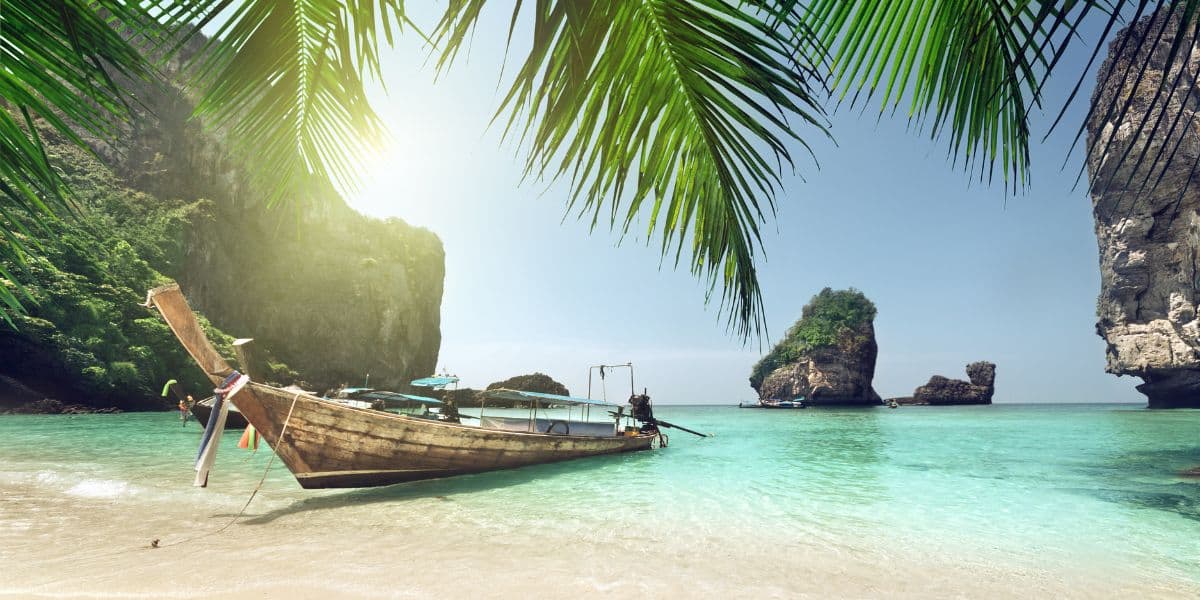
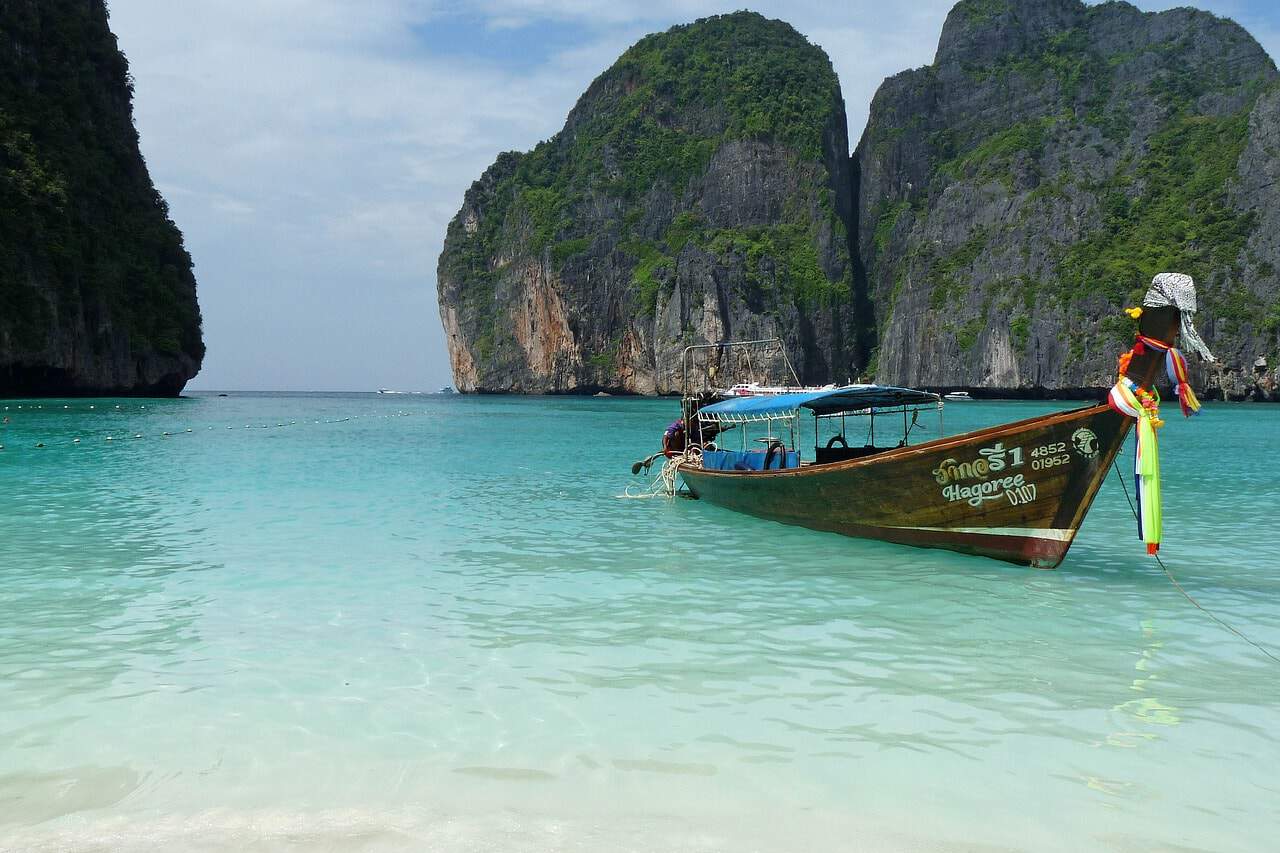
Koh Phi Phi Don is the inhabited island with accommodation, restaurants and boat services. Phi Phi Leh contains Maya Bay and is visited on controlled day trips. Maya Bay reopened on 1 October 2026 after its annual August–September conservation closure; visitors may walk on the beach, but swimming remains prohibited.
Best for: dramatic scenery and a short island stay or day trip.
Watch for: crowds, limited quiet areas on Phi Phi Don and national-park rules.
Original Phi Phi contribution: Nathan from Travel Lemming.
Koh Lanta
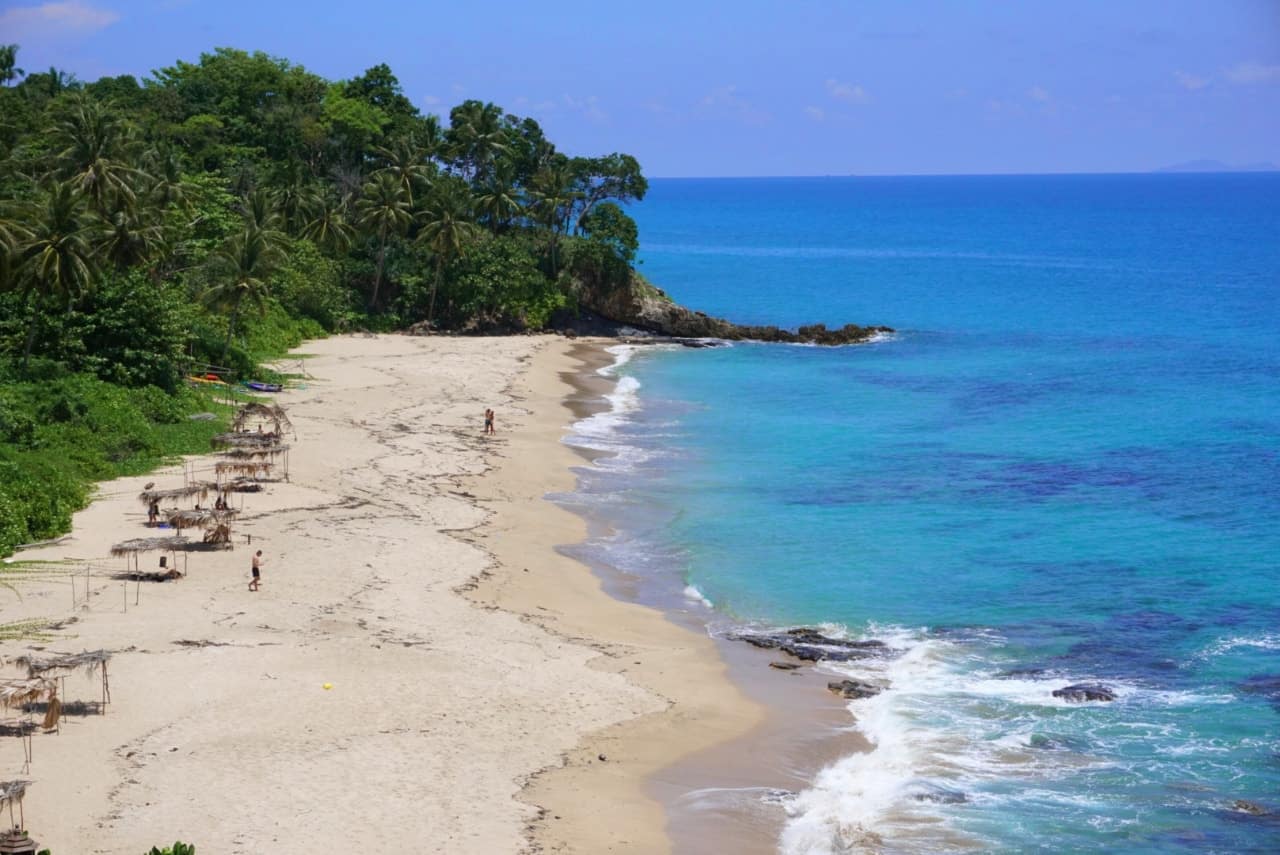
Koh Lanta Yai remains one of the best Andaman choices for families wanting a slower pace. Its long west-coast beaches, road access via vehicle ferries and broad accommodation range make it easier than very small islands. Klong Dao is particularly convenient for families, while beaches farther south are quieter.
Best for: a one-week family beach stay with independent restaurants and day trips.
Best season: generally November to April.
Watch for: reduced services and rough seas during the monsoon.
Koh Ngai
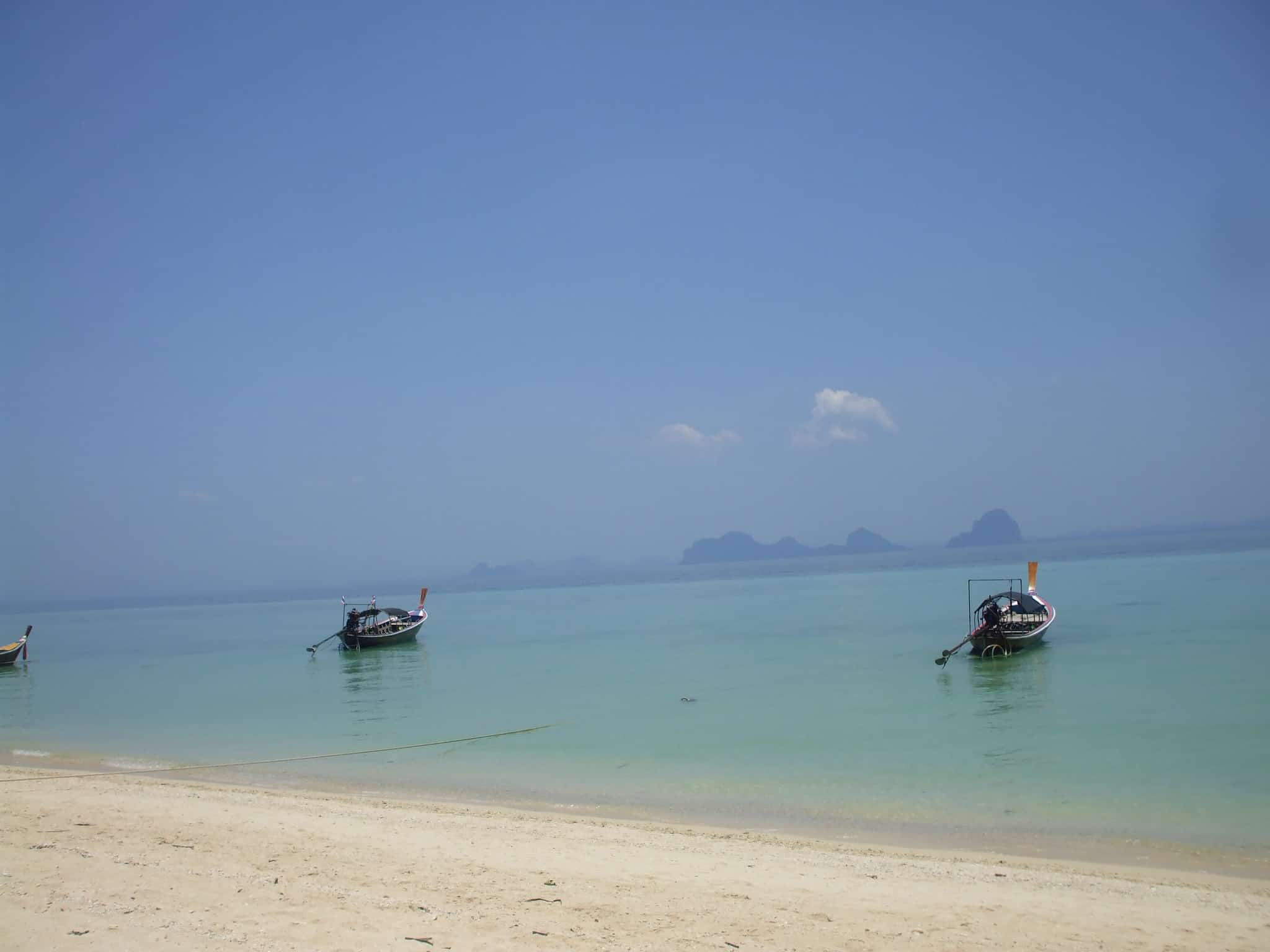
Koh Ngai is a small, car-free island with beachfront resorts and excellent access to snorkelling. It is usually reached seasonally from Trang, Koh Lanta or neighbouring islands. There is no town centre and very limited shopping, so the selected resort matters.
Best for: two or three quiet nights between Koh Lanta and the Trang islands.
Watch for: seasonal boat connections, limited medical care and resort-dependent meals.
Far southern islands
Koh Tarutao
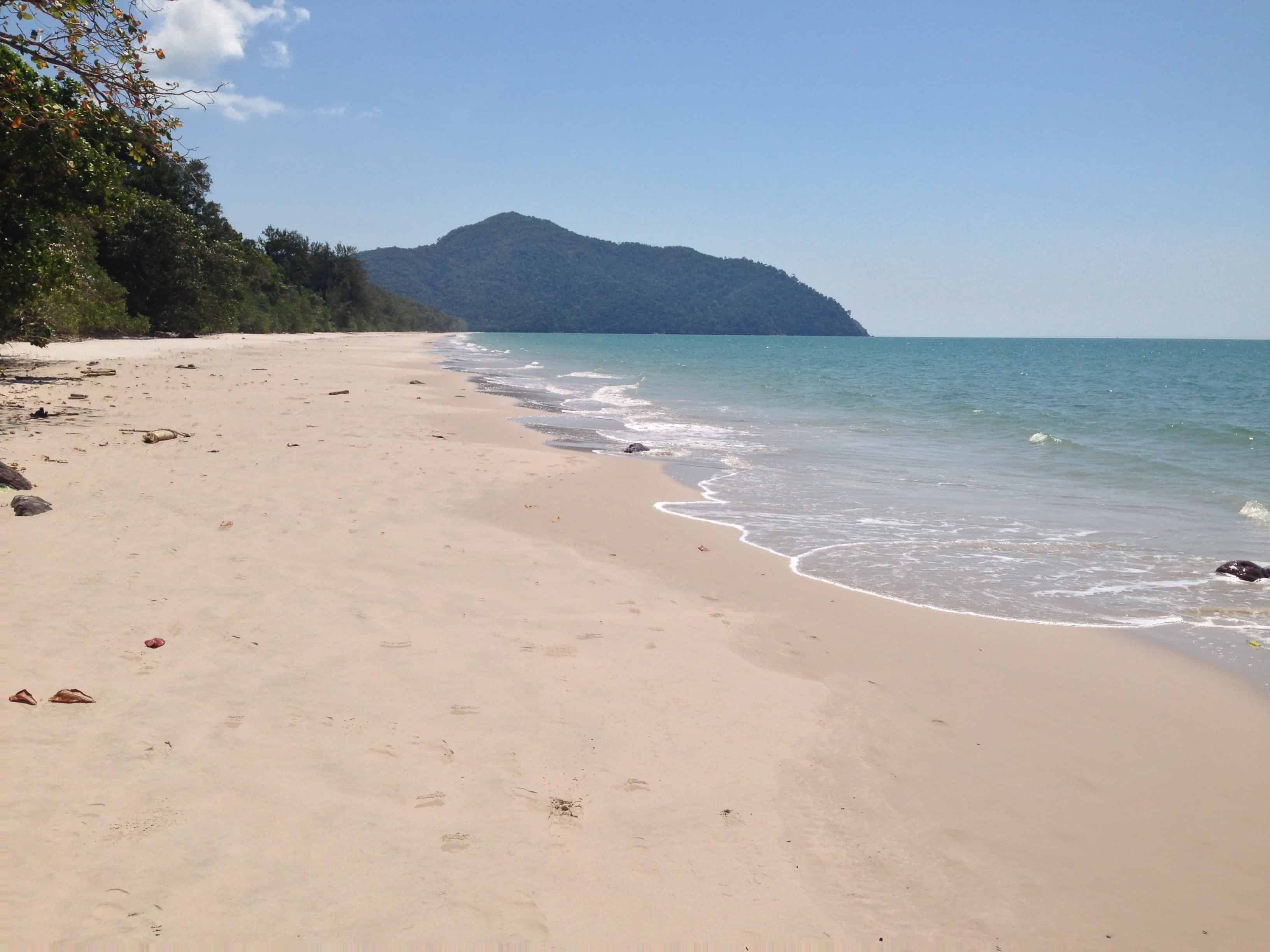
Koh Tarutao is the largest island in Tarutao National Marine Park and offers beaches, forest and important history with far less development than Koh Lipe. Access is via Pak Bara and is governed by park and boat schedules.
The best visiting period is generally November to April or May. Parts of the Adang–Rawi area close during the monsoon for safety and conservation, and 2026 closures extended longer in some zones. Check the current park notice before travelling rather than relying on a generic annual timetable.
Best for: adventurous families comfortable with basic national-park facilities.
Watch for: seasonal access, limited supplies and carrying enough cash.
Original Koh Tarutao contribution: Stefan from Nomadic Boys.
Suggested island combinations
- Easy first trip: Phuket and Koh Lanta.
- Gulf islands: Koh Samui and Koh Phangan, with Koh Tao for confident boat travellers and divers.
- Eastern islands: Koh Chang and Koh Mak, adding Koh Kood when time allows.
- Trang and far south: Koh Lanta, Koh Ngai and Koh Lipe, only when seasonal boats are operating.
Allow at least three nights on most islands and build in a mainland or large-island buffer before flying home. Separate ferry tickets are not a guarantee that a tight connection will work if weather delays the first boat.
For more planning, visit our Thailand family travel hub.
The destinations such as Koh Lipe, Phi Phi, and Krabi are the leading beach itinerary spots for the tourists of all over the world. Thailand archipelagos offer a ferry service to connect all the island destinations for the tourists. Like you can take Ferry to Phi Phi from Krabi and that time travel agencies help you a lot. I found travel by Andaman Ferry service with the route of traveling in the Andaman Sea in Thailand.