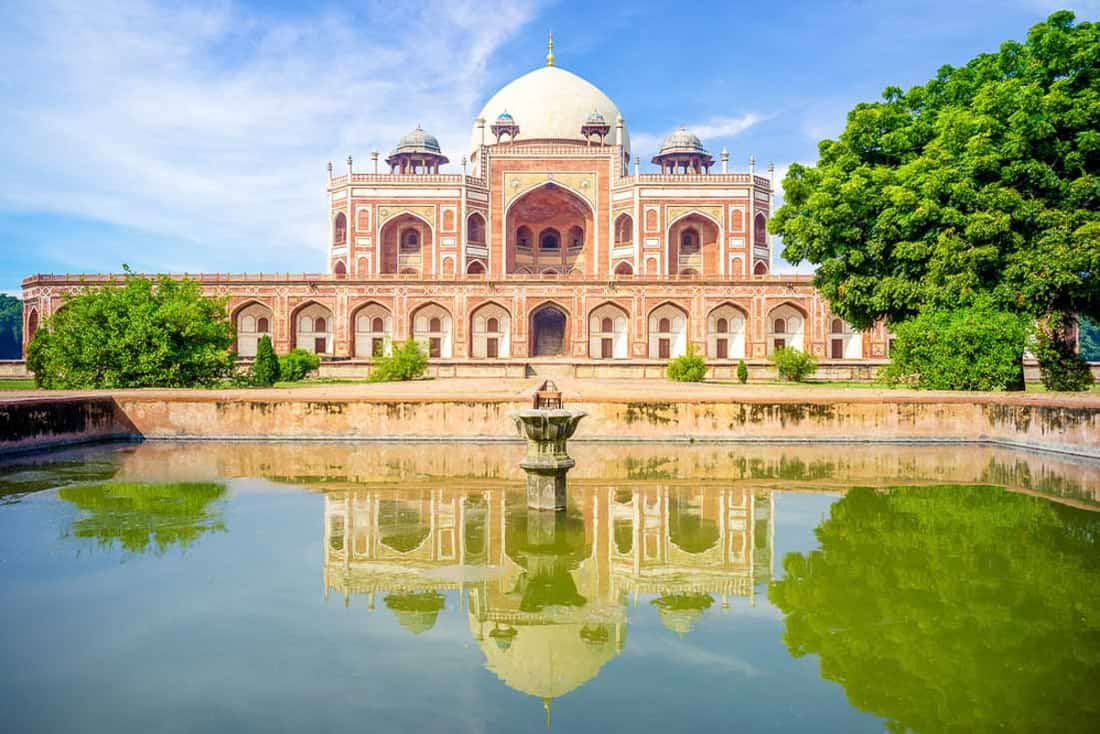
India offers an extraordinary range of family destinations, from major cities and Himalayan hill stations to desert forts, temple complexes and tropical islands. The distances are enormous, so the best family itinerary normally focuses on one or two regions rather than trying to cover the whole country.
This guest post by Sydney from Routeprints introduces ten places to consider. We have comprehensively reviewed and updated the practical destination information while preserving Sydney’s contribution and recommendations.
Last updated: November 2026
Before booking, check the latest visa and e-Arrival requirements on India’s official portal and read current Australian Government travel advice, as conditions, permits and weather risks vary across the country.
10 Best Places to Visit in India with Family
New Delhi
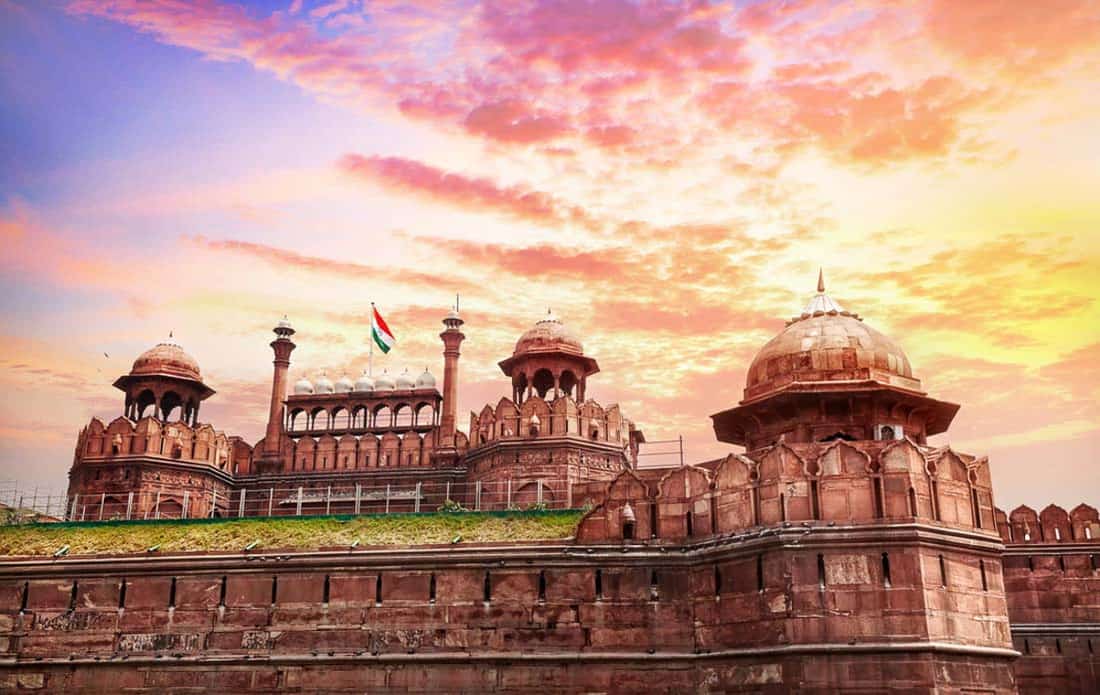
Delhi brings together monumental history and the energy of a huge modern city. Families can visit India Gate and Delhi’s three UNESCO World Heritage Sites: the Red Fort, Qutub Minar and Humayun’s Tomb. Jama Masjid, Gurudwara Bangla Sahib, the Lotus Temple and the Akshardham complex add different cultural and religious perspectives.
Traffic, crowds, heat and winter air pollution can be challenging with children. Group nearby sights, use a reputable driver or metro where practical and plan outdoor visits early. Choose busy food vendors cooking dishes fresh, carry treated water and keep valuables secure in markets and on public transport.
Himachal Pradesh

Himachal Pradesh is a mountainous state with very different family bases, including Shimla, Manali and the Dharamshala–McLeod Ganj area. Choose one region and allow generous road time rather than treating the state as a single stop. Mountain roads, winter snow and monsoon landslides can disrupt travel, so self-driving is not automatically the safest option for visitors.
You can consider Manali for the Beas Valley, Hadimba Temple and access to Solang Valley. Rohtang Pass is seasonal and tourist vehicles require an official permit; it typically closes during heavy winter snow. Use government-authorised operators for trekking and adventure activities, check age and safety requirements, and pack for rapid weather changes.
Jaisalmer
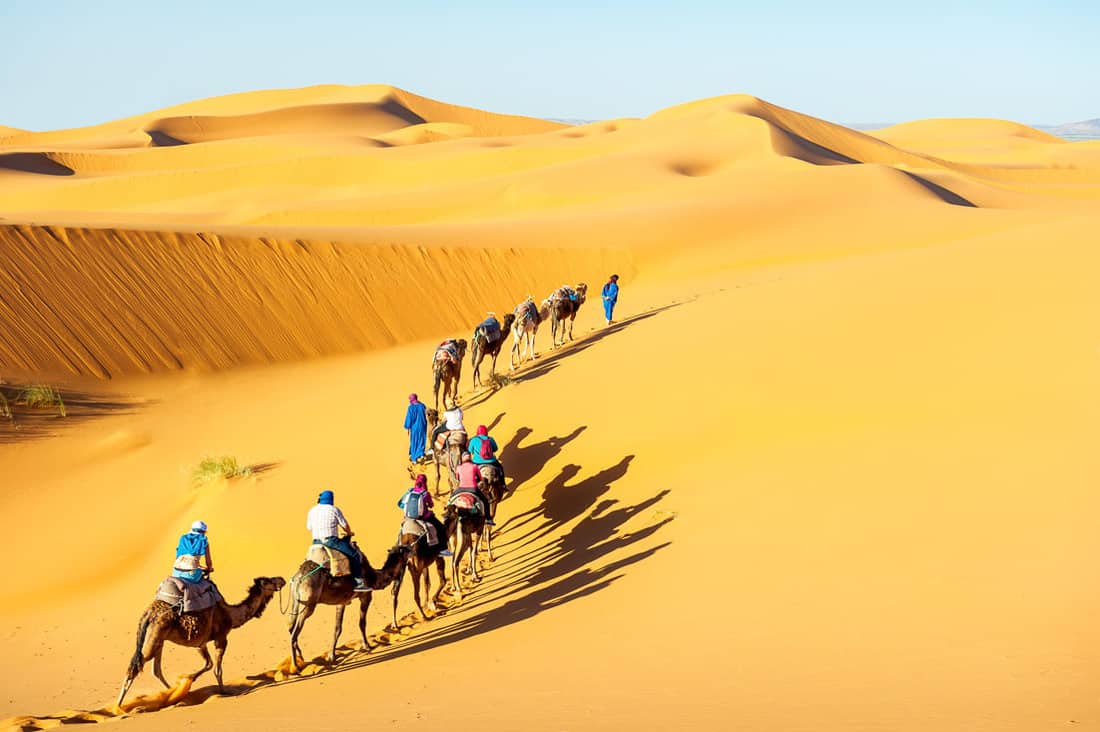
Jaisalmer brings desert scenery and medieval architecture together in Rajasthan’s “Golden City”. Explore the living Jaisalmer Fort, its Jain temples and lanes, then visit Gadisar Lake, Nathmal-ki-Haveli and the royal cenotaphs at Bada Bagh. Desert National Park adds a very different landscape and important wildlife habitat.
Trips to the Sam Sand Dunes can include camel rides, cultural performances and camps, but quality and animal-welfare standards vary. Choose a responsible operator, avoid the hottest part of the day and confirm exactly where the camp is located. The desert can be intensely hot by day and cold after sunset.
Darjeeling
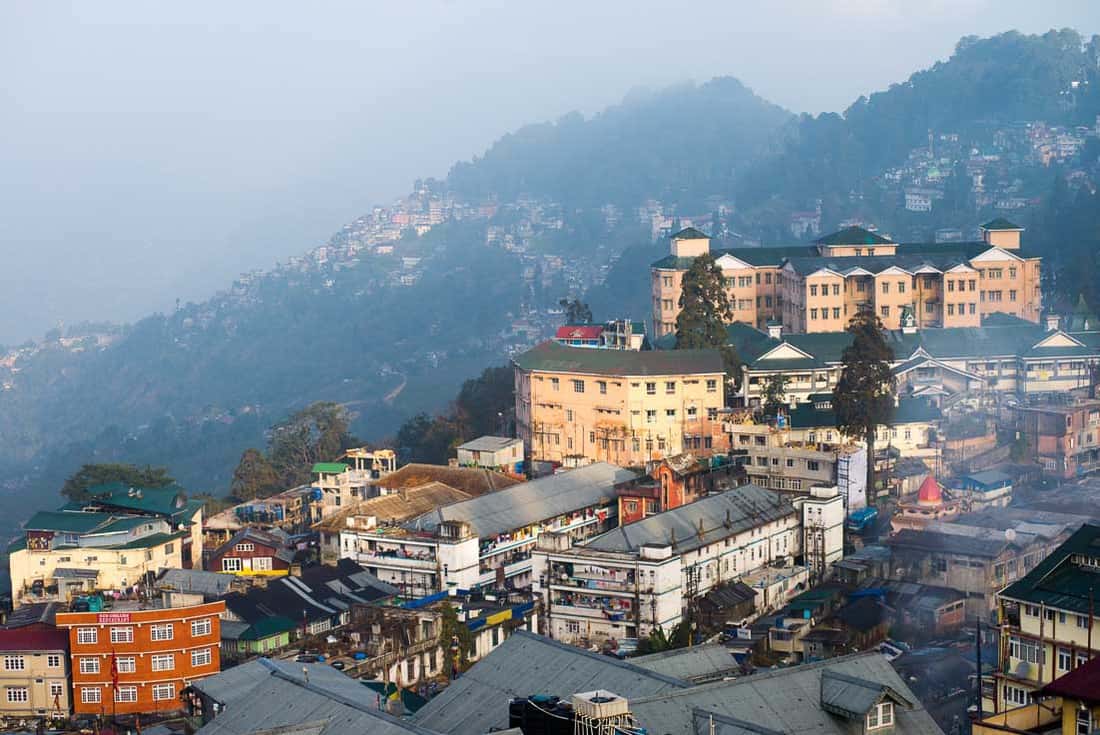
Darjeeling is a steep hill town known for tea estates, views towards Khangchendzonga and the UNESCO-listed Darjeeling Himalayan Railway. Families can ride a scheduled or short “joy ride” service, visit Batasia Loop and Ghoom Monastery, and explore the Peace Pagoda and a working tea estate.
Tiger Hill is popular at sunrise but can be cold, crowded and cloud-covered. The ropeway from Singamari is another scenic option, subject to weather and operating conditions. Rail services, mountain roads and attractions can be disrupted by weather, so confirm current operations and avoid building tight onward connections.
Gaya
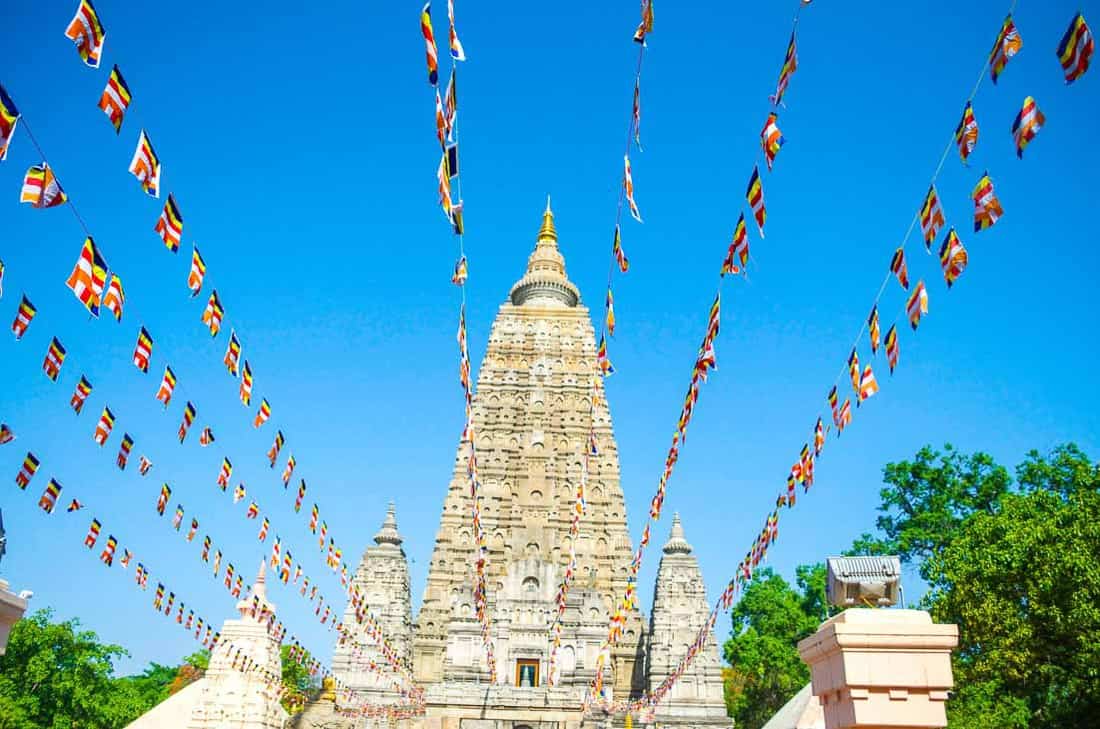
Gaya is a city in Bihar, while nearby Bodh Gaya is the major Buddhist pilgrimage centre most visitors have in mind. The UNESCO-listed Mahabodhi Temple Complex marks the place where the Buddha is believed to have attained enlightenment. Its Bodhi tree is a descendant of the historic tree—not the original tree itself—and the active religious site should be visited quietly and respectfully.
Bodh Gaya also has monasteries representing Buddhist traditions from several countries and the Great Buddha statue. Gaya is important to Hindu pilgrims, with sites including Vishnupad Temple and the Phalgu River. Families should dress respectfully, remove shoes where required and allow for security checks and large pilgrim crowds.
Ooty
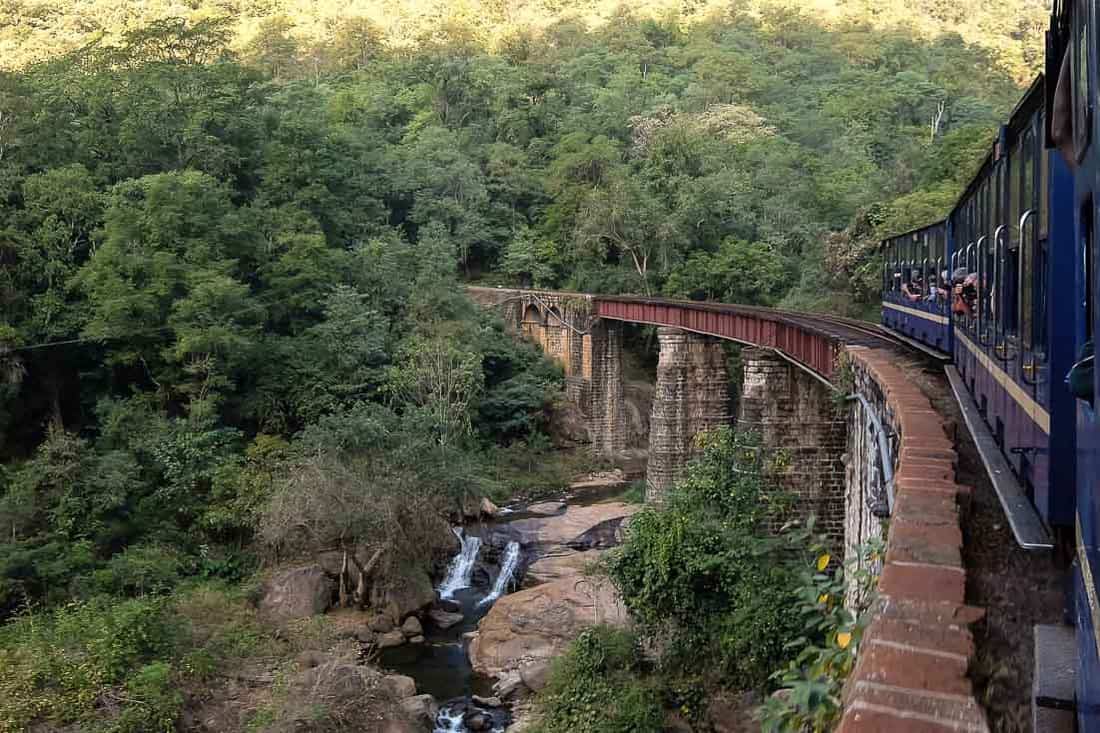
Ooty, officially Udhagamandalam, is a cool-climate hill town in Tamil Nadu’s Nilgiri Hills. Its strongest family attractions include the Government Botanical Garden, tea estates, viewpoints and the UNESCO-listed Nilgiri Mountain Railway. Train tickets can be difficult to secure, so book through the authorised railway system rather than relying on a last-minute seat.
Ooty Lake is developed for boating, while Emerald Lake and the Avalanche area are more nature-focused and may have access controls. Do not assume camping or unrestricted lake access is permitted. Check current forest-department rules, use approved operators and pack warm layers even when the plains are hot.
Munnar
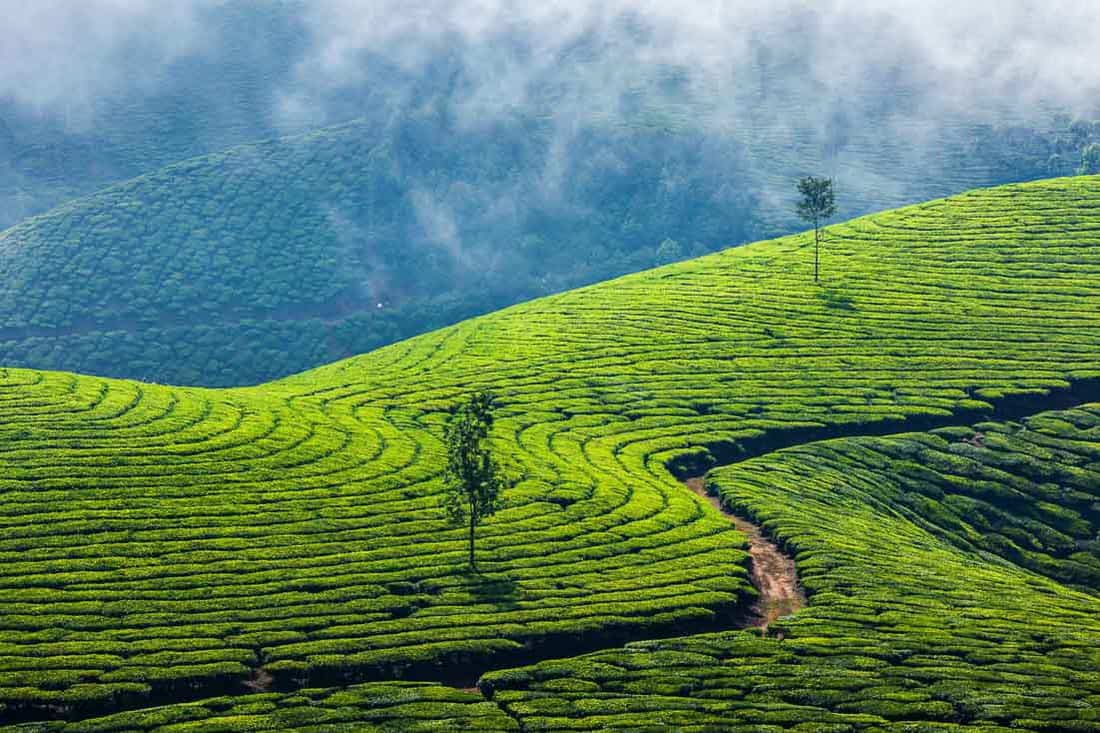
Munnar is a highland destination in Kerala’s Western Ghats, surrounded by tea plantations, valleys and protected wildlife areas. Family stops include the tea museum, Mattupetty Dam, Echo Point and viewpoints around the town. Eravikulam National Park—often referred to locally as Rajamalai—is the key place to learn about the endangered Nilgiri tahr, although seasonal closures and visitor controls apply.
Waterfalls and roads are affected by monsoon conditions, and cycling on narrow mountain roads requires care. Choose accommodation according to its true travel time from town, not just a “Munnar” address, and confirm park tickets and transport before setting out.
Hampi
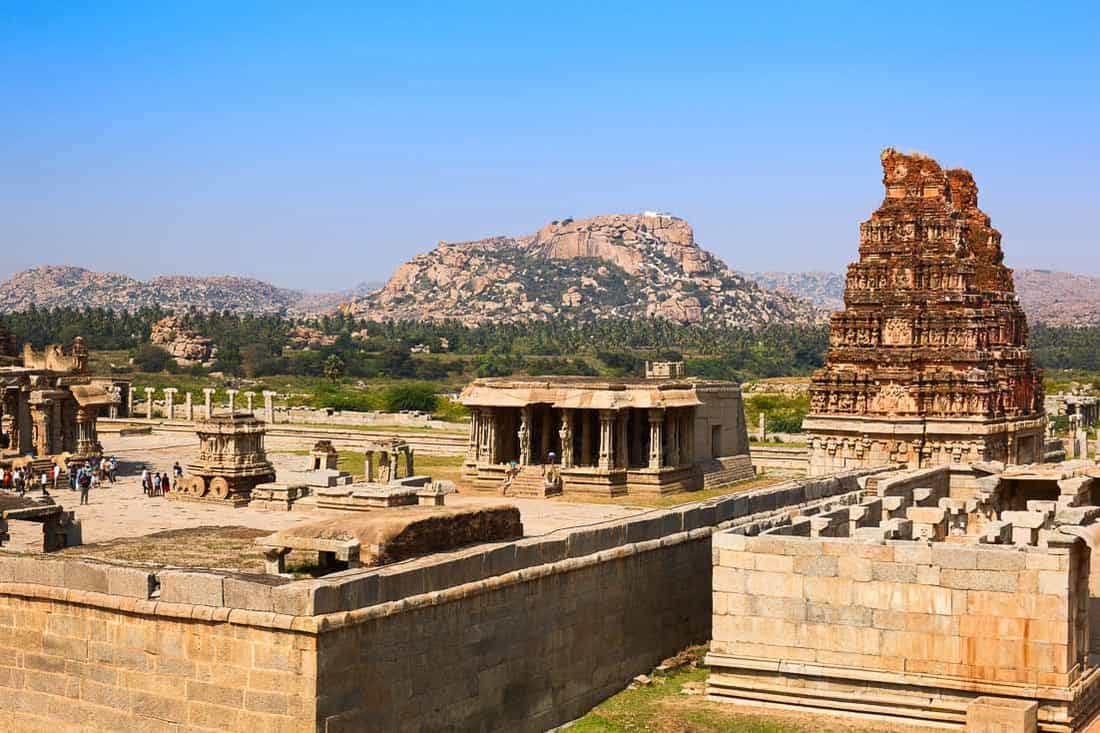
Hampi’s vast UNESCO World Heritage site contains more than 1,600 surviving remains from the former Vijayanagara capital, set among boulder-strewn hills and the Tungabhadra River. Families can explore the Virupaksha Temple area, royal enclosures, stepwells, gateways and the Vittala Temple complex, but the scale and heat make a guide or a carefully planned route worthwhile.
The ruins are not a playground: supervise children around boulders, steep steps and unguarded edges. Start early, carry water and avoid scrambling or climbing on protected monuments. Wildlife outings and rock-climbing activities should only be arranged through authorised local operators after checking current access.
Goa
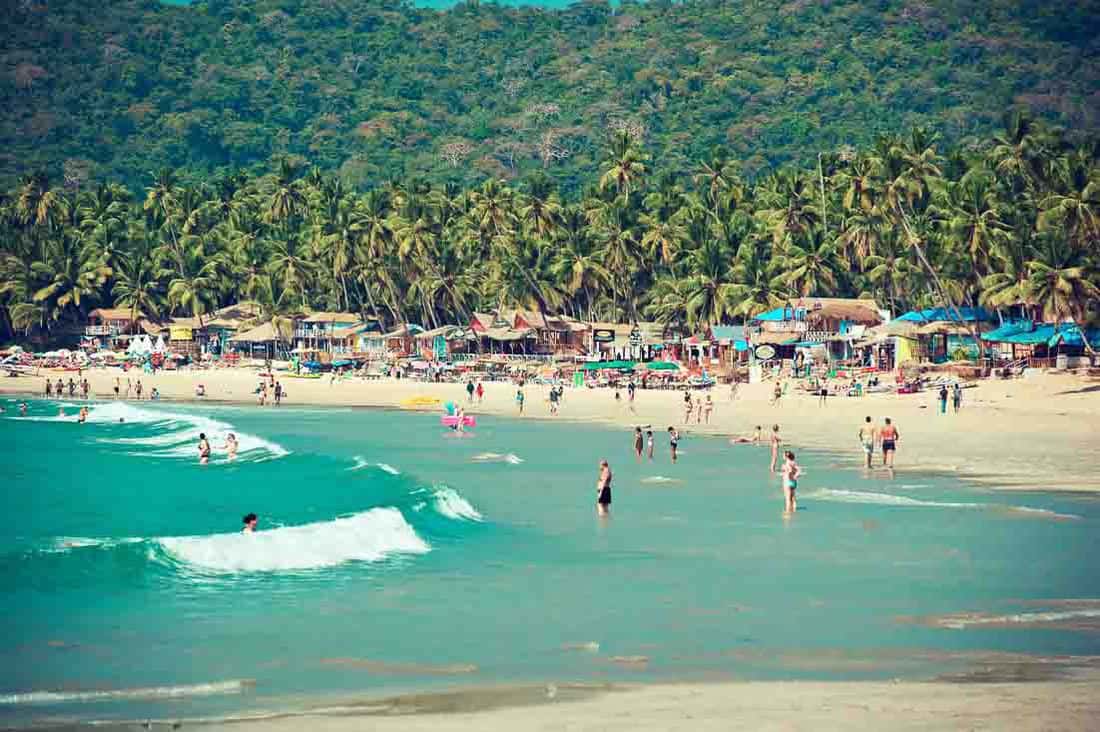
Goa is far more than a party destination. Families can combine beaches with the churches of Old Goa, Portuguese-influenced neighbourhoods in Panaji, forts, temples, markets and spice plantations. Different beach areas have very different atmospheres, so choose a base to suit your children rather than assuming all of coastal Goa is the same.
Water sports and dolphin trips are widely offered, but operator standards vary. Use a licensed provider, insist on correctly sized life jackets and check sea conditions. Old Goa’s Basilica of Bom Jesus and Sé Cathedral form part of the UNESCO-listed churches and convents, while quieter beaches and inland experiences can provide a useful break from crowded resort strips.
Andaman Group of Islands
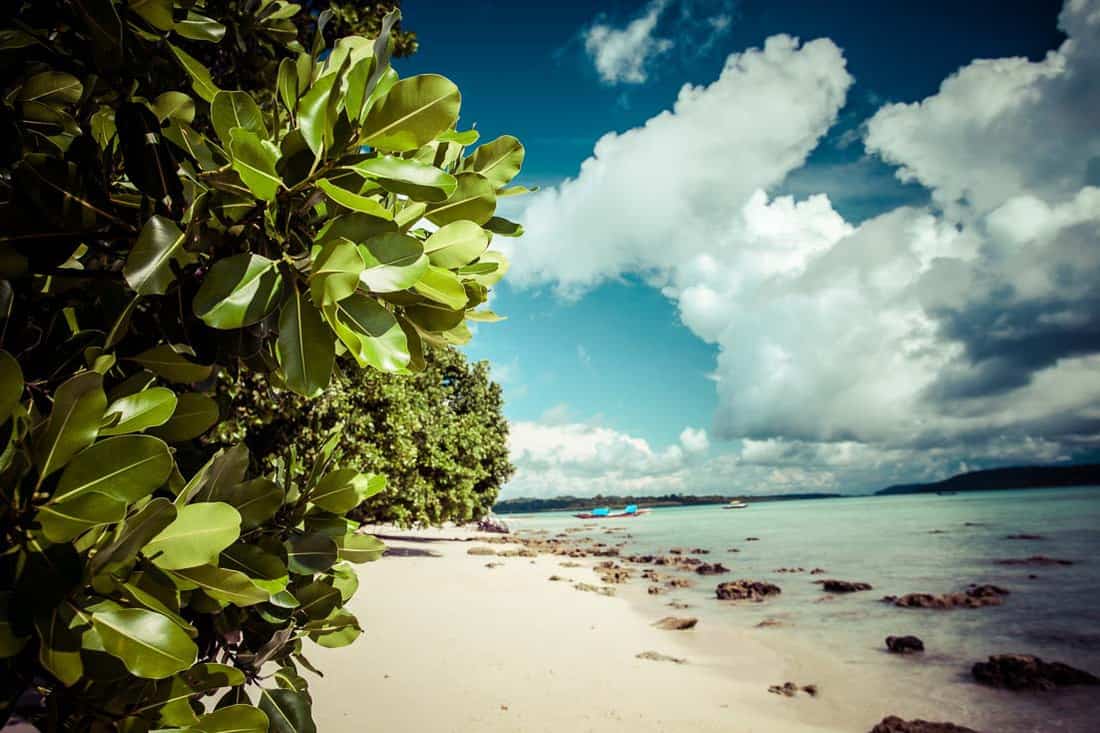
The Andaman and Nicobar Islands are a remote union territory in the Bay of Bengal. Tourism is concentrated on a limited number of islands, including South Andaman, Swaraj Dweep (formerly Havelock Island) and Shaheed Dweep (formerly Neil Island); many other areas are protected or restricted.
Around Port Blair, families can visit the Cellular Jail, museums and Mahatma Gandhi Marine National Park. Mount Harriet National Park has been renamed Mount Manipur National Park. Beaches, snorkelling and glass-bottom boat trips are popular, but weather affects ferries and water activities. Barren Island is an active volcano and can only be viewed on authorised boat trips from a safe distance—visitors do not simply explore it ashore. Check permit requirements before booking.
Tips for Places to Visit With Family in India
- Use India’s official visa portal and complete any required e-Arrival documentation; avoid look-alike commercial websites.
- Read the latest Smartraveller advice. Australia currently advises exercising a high degree of caution overall, with higher levels for some regions.
- Buy travel insurance that covers your planned activities and medical evacuation, particularly for remote islands and mountain areas.
- Discuss vaccinations, insect-borne disease risks and altitude with a travel-health professional before departure.
- Drink treated or sealed bottled water and be careful with raw or undercooked food.
- Monitor monsoon, cyclone, heat, flood, landslide and air-quality conditions; these can disrupt roads, trains, ferries and flights.
- Use reputable transport providers, avoid unnecessary night driving and supervise children closely in crowds and around traffic.
Sydney from Routeprints loves dancing, history, beer and exploring the hidden places. Travelling is her life as it always gives her a new experience and makes her stronger. To date, she has travelled to more than 25 countries and her favourite one is India. Pinterest | Instagram
Want to keep this handy?
Click on one of the images below and pin it to Pinterest.


