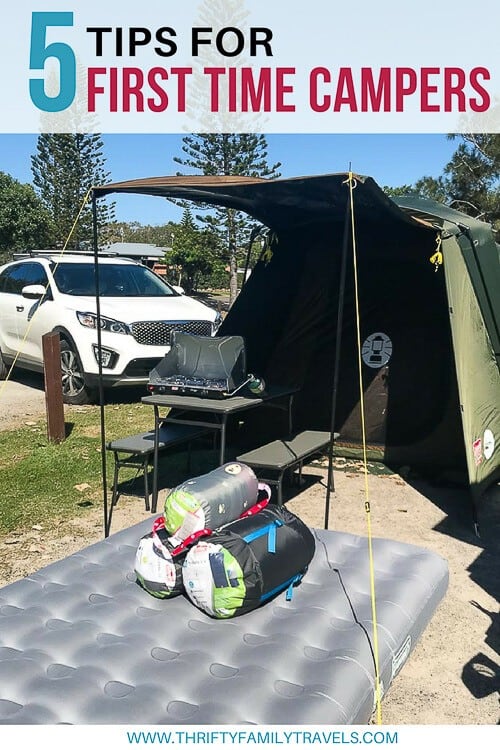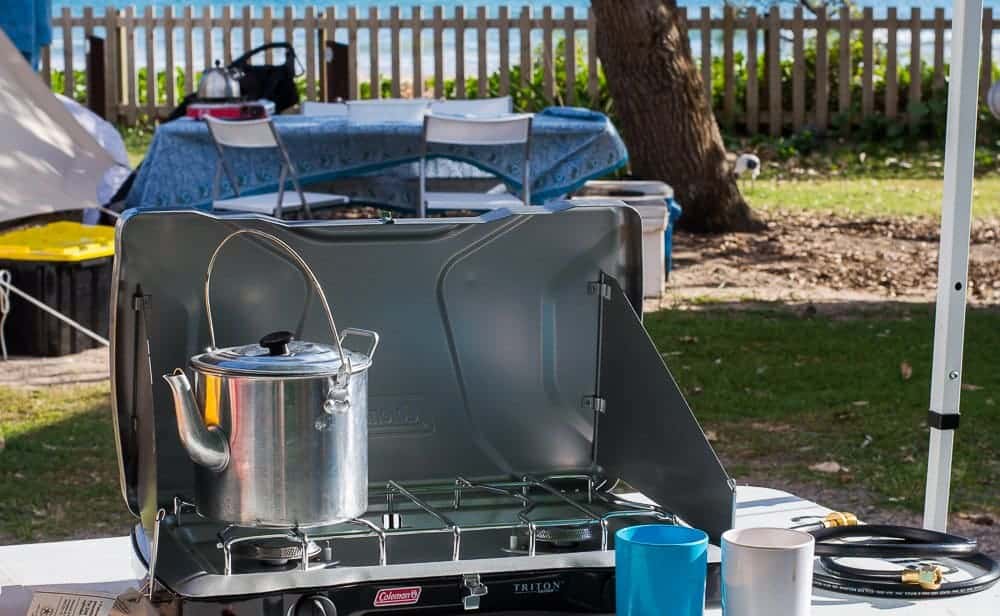
Camping can feel overwhelming for families who have never been before. Where should you go, what equipment do you actually need and how do you keep the first trip comfortable and safe?
The easiest way to begin is with a short, well-planned stay close to home. Choose a campsite that matches your family’s experience, check the facilities and rules, practise with your equipment and leave some room for things not to go perfectly.
Last comprehensively reviewed and updated: November 2026.
These five practical tips will help you plan a first family camping trip without buying every gadget in the camping aisle.
1. Go with experienced campers
If you have never camped before, ask experienced friends whether you can join them for a weekend. Camping with another family gives you people to ask about set-up, meals, campsite rules and the small items that are easy to forget.
We did this several times before venturing out on our own. We bought the essentials, including a tent and sleeping bags, while our friends shared some of their other equipment and showed us what worked.
If you cannot join experienced campers, book a short stay at a managed holiday park close to home. Arrive in daylight, keep the first trip simple and let someone know where you are staying and when you expect to return.
2. Choose a tent you can confidently pitch
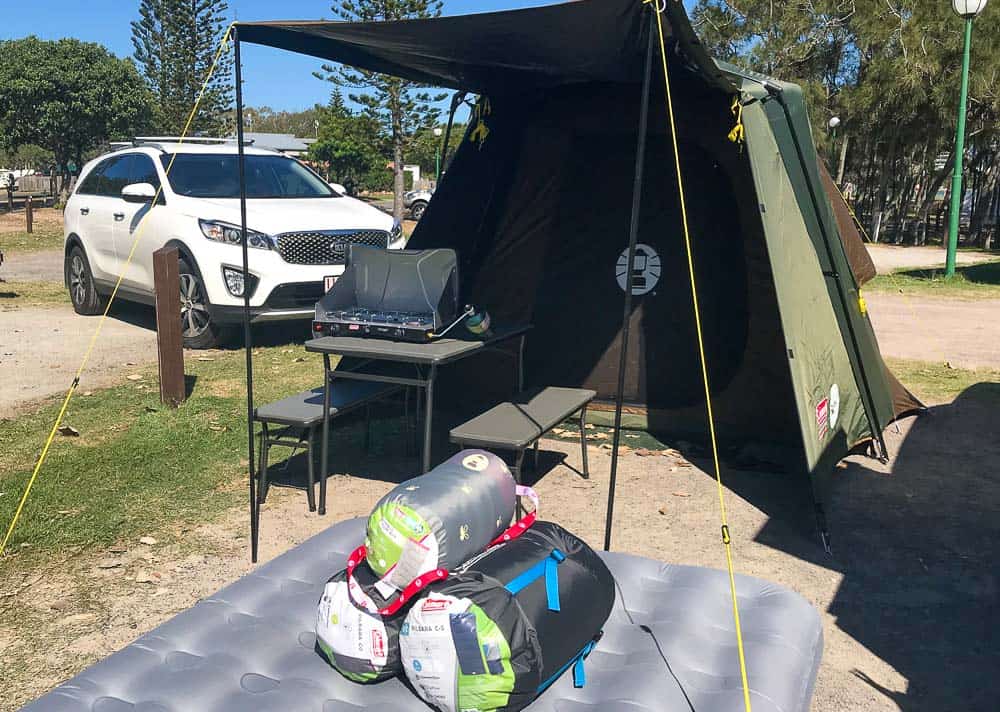
If you have never pitched a tent before, practise at home before the trip. Check that every pole, peg, guy rope and rainfly is present, learn how the tent packs away and make sure it is large enough for your family and bedding.
We are fully converted instant-tent campers after plenty of disagreements while putting up conventional tents. An instant tent can save valuable time on arrival and pack-up day. Our Coleman camping gear review explains what we used on our own trips.
Instant tents can cost more and be bulkier to transport, so compare packed size, weight, ventilation, weather protection and the number of people the tent comfortably sleeps. Hiring, borrowing or buying good-quality second-hand gear can be sensible for a first trip, but inspect it carefully and test it before leaving home.
You can view Coleman’s current tent range, including Instant Up models, on the Coleman Australia website.
3. Try the camping style before you buy
If sleeping in a tent does not appeal, you can still enjoy a camping holiday in a cabin, glamping tent, camper trailer or caravan. For a first trip, hiring accommodation or borrowing suitable equipment is usually a lower-risk way to learn what your family actually needs.
Caravans and camper trailers can provide beds, storage and cooking facilities, but they also introduce towing, payload, set-up, maintenance and storage considerations. Check that the tow vehicle and driver are suitable, and understand the total weight and legal requirements before hiring or buying.
A cabin at a holiday park is the simplest option for families who want outdoor time and park facilities without purchasing camping gear. Once you know the style of camping everyone enjoys, you can make a more informed decision about equipment.
4. Choose a campsite with suitable facilities
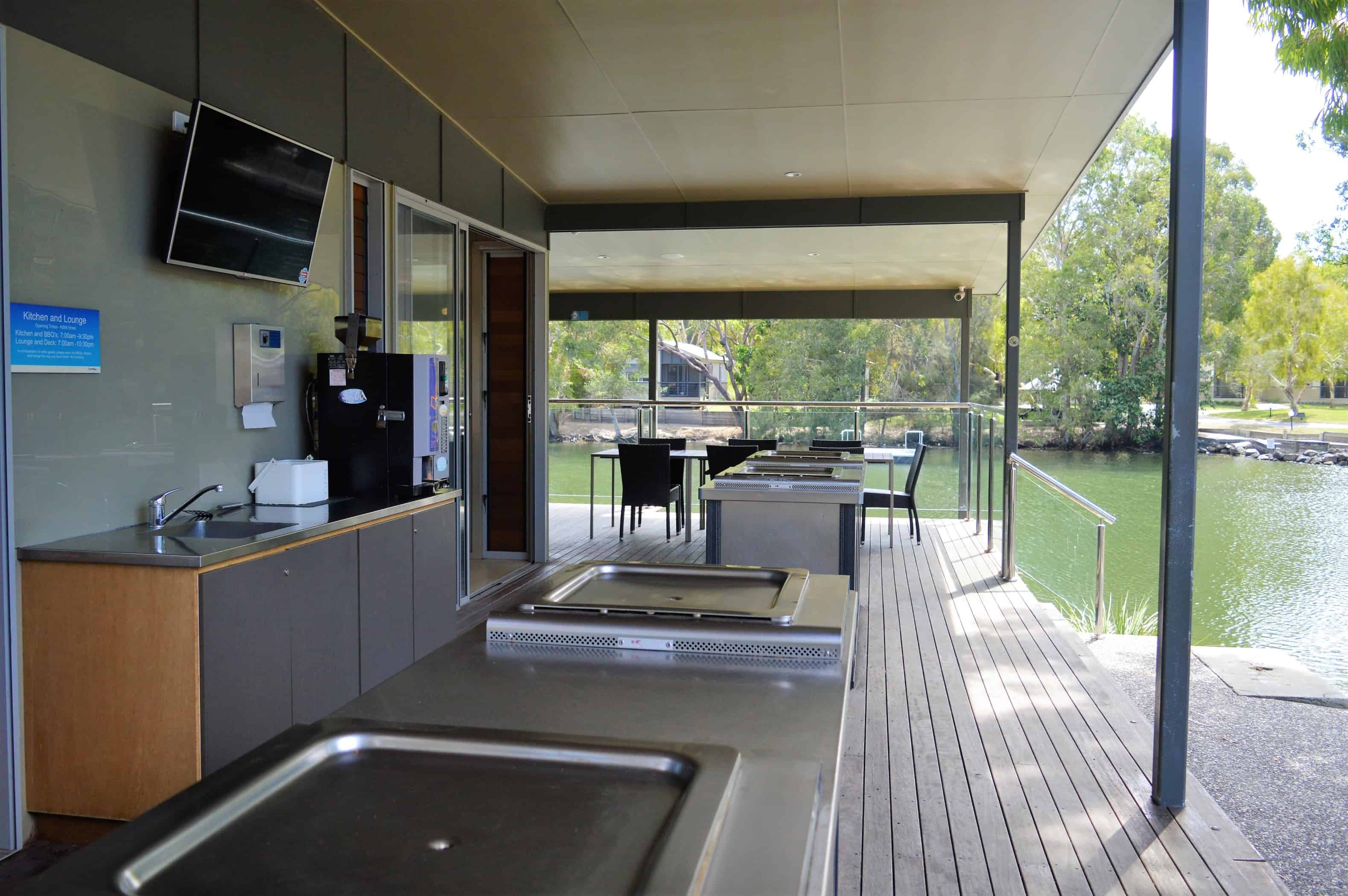
For a first camping trip, a managed campground or holiday park can make the experience much easier. Before booking, check the exact facilities offered at that location, such as toilets, showers, a camp kitchen, drinking water, powered sites, a swimming pool or a playground. Facilities vary between properties, so confirm the current listing rather than assuming every park has the same inclusions.
BIG4 Holiday Parks and Discovery Parks both have family-friendly properties around Australia. You can also read our review of BIG4 Tweed Billabong Holiday Park to see the type of facilities available at one family holiday park.
If you choose a Queensland national park campsite, check whether a camping permit and advance booking are required, read the current park alerts and confirm what water, toilets and other facilities are actually provided. Start with the official Queensland Parks camping information and park alerts, then check the weather before leaving.
5. Keep a reusable camping checklist
One of the most useful lessons we have learned is to keep a checklist and a small camping kit stocked with the items we use every trip. If something runs low, another camper gives us a good idea or we think of an improvement, we add it to the list straight away.
We keep our regular camping items in a couple of plastic crates in the garage. That makes packing easier and means the set-up improves a little after every trip.
Your family’s list will depend on the destination, weather and campsite, but a practical starting point includes:
- booking confirmation and any required camping permit
- tent, groundsheet, pegs, guy ropes and a mallet
- sleeping bags, mats and enough warmth for the forecast conditions
- food, secure food storage and cooking equipment that is permitted at the campsite
- enough drinking water, plus a safe treatment method if you must use collected water
- torches or headlamps and spare batteries
- first-aid supplies, regular medicines, sun protection and insect repellent
- weather-appropriate clothing and closed shoes
- rubbish bags and a plan to leave the campsite clean
- a charged phone or other emergency communication plan, remembering that mobile coverage may be limited.
Check the campsite rules before using any fire. Queensland Parks advises campers to use a fuel stove where possible, light fires only where permitted and when no fire ban or prohibition applies, and never collect firewood from the park.
The Veggie Vagabonds camping packing list is another detailed reference, but tailor every list to your own destination and family.
Want to keep these tips handy for later?
Click on the image below and save it to Pinterest.